
Your Shopping Cart

OTHER PRODUCTS
-
 My Store
Fish Resin Craft 088
Regular price Rs. 7,200.00Regular priceUnit price perRs. 10,500.00Sale price Rs. 7,200.00 -
 My Store
Sri Swaminathan & Co Premium Gold Finish Resin Seven Carps Archway Statue (33 cm / 13 Inch)
Regular price Rs. 5,500.00Regular priceUnit price perRs. 9,500.00Sale price Rs. 5,500.00 -
 My Store
Sri Swaminathan & Co Royal Gold Dust Resin Nine Carps Wealth Pot Statue (24 cm / 9.5 Inch)
Regular price Rs. 2,850.00Regular priceUnit price perRs. 5,750.00Sale price Rs. 2,850.00


Sri Swaminathan & Co
INCLUSIVE OF ALL TAXES
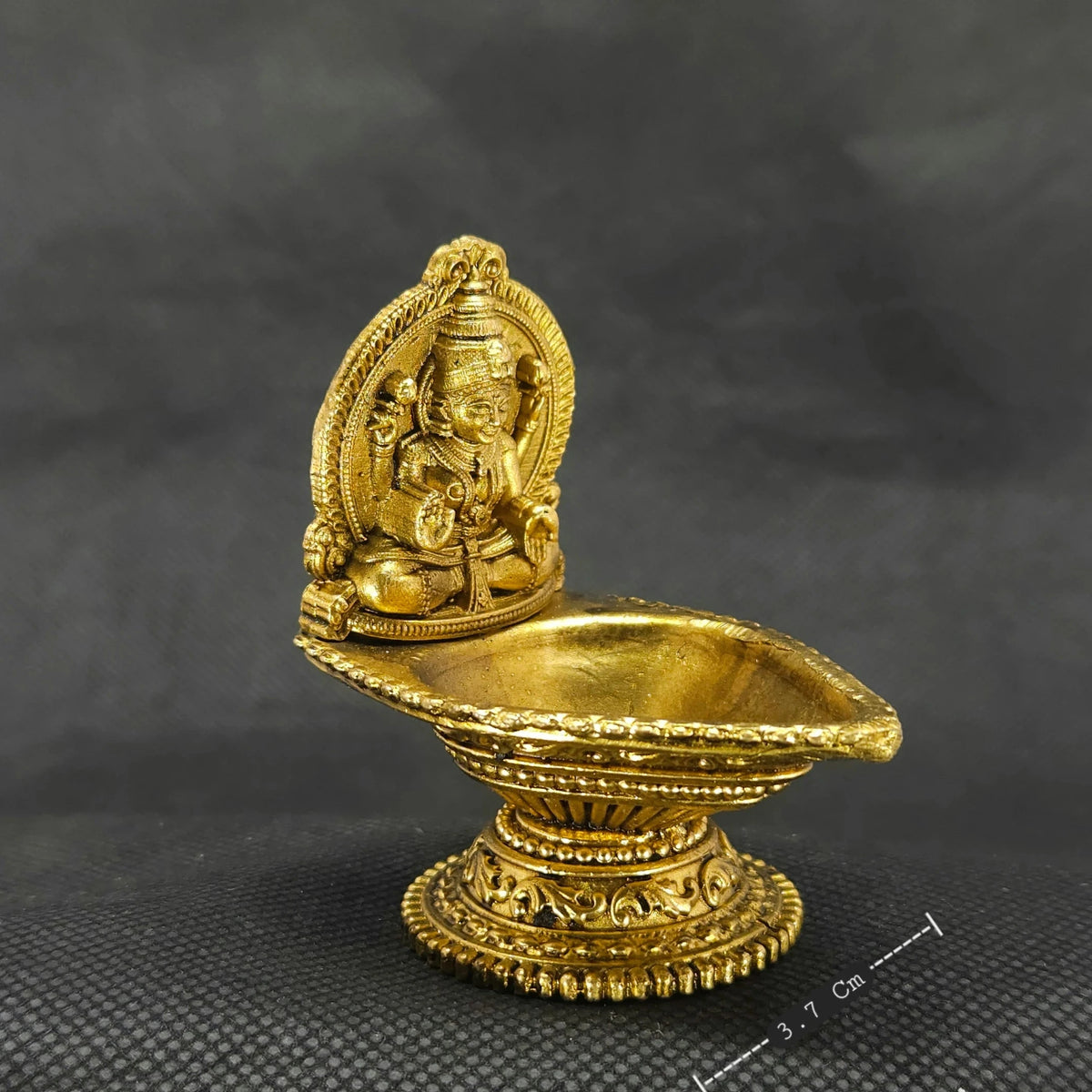
Premium Brass Lakshmi Vilakku Deepam
Premium Brass Lakshmi Vilakku Deepam
Regular price
Rs. 550.00
Regular price
Rs. 750.00
Sale price
Rs. 550.00
Unit price
per
Shipping calculated at checkout.
SKU : 15636
Availability : In Stock
🚚 Free Shipping in India
above ₹1,000 | International shipping available
above ₹1,000 | International shipping available
📦 Safe Delivery
Zero Breakage Guarantee
Zero Breakage Guarantee
📹 WhatsApp Video
Before We Dispatch
Before We Dispatch
✅ Real Product Photos
No Filters. No AI.
No Filters. No AI.
🏆 53 Years of Trust
Kumbakonam's Finest
Kumbakonam's Finest
Couldn't load pickup availability
Shipping & Returns
Shipping & Returns
🚚 free shipping on all orders above ₹1,000 for India delivery only.
Tamil Nadu: 1-3 days
South India (outside Tamil Nadu): 2–5 days
Rest of India: 5–10 days
🌍 International shipping - International shipping charges will be added to the product price.
Call or WhatsApp us for shipping cost before ordering


Sri Swaminathan & Co · Since 1973 · Sacred Trust
Lakshmi Agal Deepam — The Goddess of Abundance Enthroned Above the Sacred Flame
Lakshmi Deepam · Lakshmi Vilakku · Premium Solid Brass · Museum-Quality Casting · Tamil Nadu
“The Agni Purana teaches that the lamp is not merely a source of light. It is a living invitation. When a flame is lit beneath a deity’s form, the light rises as prayer and the deity’s grace descends through the same flame. In the Lakshmi Agal Deepam, the goddess does not sit beside the lamp. She sits above it. Every flame you light rises directly to her. Every blessing she gives descends through the same light that fills your room.”
In the daily ritual life of a South Indian home, two acts of worship are inseparable from Lakshmi’s presence: the lighting of the Agal Vilakku — the traditional oil lamp — and the invocation of the goddess herself. The Lakshmi Agal Deepam unites both into a single sacred object. Goddess Lakshmi sits in Padmasana — the full lotus posture of meditative sovereignty — directly above the lamp bowl, her four arms expressing the totality of her blessing, her form framed by the ornate Prabha arch that signals the radiating aura of divine presence, and behind and below her, the multi-layered, pearl-bordered ornate pedestal that elevates the entire form in the Agamic tradition of the consecrated pitha. The lamp bowl itself is shaped as the sacred Shankha — the conch — from whose primordial sound all of creation arose. When you light this lamp, you are not lighting a decorative object. You are performing a complete act of Lakshmi Aradhana. This 100% solid premium brass lamp, cast using high-precision 3D detailed craft techniques by our master artisans, is among the most complete Lakshmi worship objects in the 3D Elite Collection.
Her Sacred Form — What Every Element Holds
▶ Four Hands — The Complete Expression of Her Grace
Upper Two Hands — Lotus Buds
Both upper hands hold lotus buds — abundance still gathering itself before full release. The Padma Purana describes the lotus bud in a deity’s hand as the inexhaustible reserve: what has not yet been given is greater than what already flows. As the lamp flame rises toward these held buds, it touches the source of prosperity that has not yet arrived — drawing it toward the home, invoking the abundance that is still held in reserve.
Lower Right Hand — Abhaya Mudra
Raised in fearlessness and protection. The lamp that burns under Abhaya Mudra declares the home a protected space — what has been built here will not be undone. Prosperity without security is anxiety. Lakshmi’s right hand addresses this: the flame burns under her protection, and so does everything the flame illuminates.
Lower Left Hand — Varada Mudra
Extended open in unconditional giving. One hand guards. One hand gives. Together they complete the full grammar of a mother’s blessing: I will give you abundance, and I will protect what I have given. The flame lit beneath these two gestures simultaneously receives both promises.
Padmasana — The Full Lotus Posture
She sits in the full lotus posture of meditative sovereignty — deeply settled, completely composed, in no hurry, going nowhere. A deity seated in Padmasana above a flame is understood in the Agamic tradition as being fully and continuously present in that space for as long as the lamp is maintained with devotion. She does not come and go with each lighting. She dwells.
The Prabha — The Arch of Radiating Divine Presence
Behind Lakshmi rises the Prabha — the sacred arch or nimbus — intricately detailed with pearl-bordered edges and a decorative crown at its apex. In South Indian Agamic iconography, the Prabha is not a decorative frame. It is the visual representation of the deity’s Tejas — the divine radiance that emanates from a fully present goddess. The Markandeya Purana describes this aura as the overflow of the deity’s inner luminosity into the surrounding space — the light that the physical lamp below merely makes visible to human eyes. When the lamp is lit and the flame glows against the Prabha’s surface, the entire arch catches and diffuses the light — creating the precise visual effect that the Agamic tradition prescribes: the goddess radiating light outward in all directions from the centre of the home.
The Shankha Lamp Bowl — The Vessel of Primordial Abundance
The lamp bowl is shaped as the Shankha — the sacred conch — with pearl-bordered edges that carry the same detail language as the Prabha above and the pedestal below, unifying the entire lamp as a single, continuous sacred statement. The Shankha is among the most ancient and complete of all auspicious symbols in Hindu tradition. The Vishnu Purana names it as one of the fourteen treasures that arose from the Kshira Sagara — the same churning that produced Lakshmi herself. Its spiral form represents the primordial sound Om, from which all creation issued. When oil is poured into this conch-shaped bowl and the flame is lit, you are not merely fuelling a lamp — you are filling the vessel of creation’s own origin with the offering of light, and presenting it directly to the goddess who arose from that same primordial source.
The Multi-Layered Ornate Pedestal
The entire lamp rises from a multi-layered, pearl-bordered ornate pedestal — each layer individually carved with floral motifs, geometric patterns, and auspicious borders in the Silpa Shastra tradition of the consecrated pitha. In Agamic temple construction, the number of layers in a deity’s pedestal is directly proportional to the rank of the deity’s manifestation being installed. A multi-layered pitha declares that this is a complete, sovereign form — not a minor or subsidiary installation but a primary presence. The pearl borders that run through every layer of this pedestal — mirroring the pearl borders on the Prabha arch and the Shankha lamp bowl — create a unified visual language throughout the object: the language of divine completeness and meticulous, consecrated craft.
The Sacred Blessings of the Lakshmi Agal Deepam
- Direct Lakshmi Aradhana with Every Lighting — unlike a plain lamp placed before a separate idol, this lamp is the idol. Every flame lit is a complete act of Lakshmi worship — the prayer and the deity united in one object.
- Continuous Prosperity — the Agni Purana describes the lamp lit beneath a deity’s form as creating an unbroken channel of blessing for as long as the flame burns. The light is not symbolic of prosperity — it is the medium through which prosperity actively flows.
- Protection of What Has Been Built — the Abhaya Mudra above the flame declares the home and its accumulated prosperity to be under divine protection. The lamp does not merely invite abundance in — it guards what is already there.
- Abundance Still in Reserve — the lotus buds in her upper hands, reached by the rising flame, invoke the wealth that has not yet arrived — drawing forward the prosperity that belongs to the home but has not yet materialised.
- Friday Varalakshmi Blessing — the Lakshmi Agal Deepam is the most auspicious lamp to light on Sukravara (Friday) and for Varalakshmi Vratam. The flame lit in this lamp on these days carries the full weight of traditional Lakshmi Aradhana.
- Sanctification of the Space — the Prabha’s light-diffusing presence, when the flame glows against it, radiates the divine Tejas outward through the room — sanctifying not just the altar shelf but the entire space the lamp illuminates.
- Business and Commercial Prosperity — a Lakshmi lamp lit daily at a business altar, shop counter, or office prayer space is among the oldest and most consistent practices of South Indian merchants for maintaining the goddess’s active presence in a commercial space.
Premium Solid Metal Artistry
This masterwork is cast from 100% solid premium brass using high-precision 3D detailed craft finishing techniques — zero hollow spaces, no gold spray-paint. Look closely at the individual pearl borders running continuously through the Prabha arch, the Shankha lamp bowl rim, and every layer of the pedestal — each pearl rendered as a distinct, separated bead. Look at the lotus buds in her upper hands, the gestures of her lower hands, the layers of her crown and jewels, and the Padmasana posture’s detail — every element museum-quality depth in an object that also functions as a working oil lamp. The warm golden glow of hand-polished brass, when the flame is lit against it, produces the quality of light that the Sri Suktam calls “Hiranya varna” — the golden-hued radiance that signals Lakshmi’s active presence. Built to serve generations of daily pooja.
Sacred Specifications
| Specification | Details |
|---|---|
| Height | 6.0 cm / 2.4 inch |
| Length | 6.0 cm / 2.4 inch |
| Width | 3.7 cm / 1.5 inch |
| Weight | ~60 g / 2.1 oz |
| Material | 100% Solid Premium Brass |
| Craft | 3D High-Precision Mould Casting |
| Lamp Type | Agal Deepam · Oil lamp · Wick lamp |
| Lamp Bowl Form | Shankha (conch) shaped with pearl-bordered rim |
| Best Placement — Indian | Pooja shelf, mandir padi, business altar, Friday worship space |
| Best Placement — Global | Home shrine, living room altar corner, office prayer space |
Weight is approximate and may vary slightly. Single size available. Use with pure sesame oil or cow ghee for traditional Lakshmi Aradhana.
Auspicious Occasions & Gifting
▶ Perfect for These Sacred Occasions
Diwali · Karthigai Deepam · Lakshmi Puja · Varalakshmi Vratam · Friday Pooja (Sukravara) · Navaratri · Akshaya Tritiya · Housewarming · Wedding gifts · Business inauguration · Shop opening · Return gifts for pooja-observing families
An especially meaningful gift for families who light the lamp daily · devotees who observe Friday Lakshmi pooja · new homeowners setting up their first pooja space · businesses wanting a permanent Lakshmi presence at their altar · brides who keep the Varalakshmi Vratam tradition. Recognised and treasured by devotees across India, Malaysia, Singapore, the Gulf, UK, and Australia.
Care & Lamp Use
- Lamp Oil — use pure sesame oil (nallennai) or cow ghee. Both are traditionally prescribed for Lakshmi lamps in the Agamic texts. Avoid refined vegetable oils.
- Wick — use a thin cotton wick. The Shankha bowl accommodates a standard single wick comfortably.
- After Each Use — wipe the lamp bowl dry after the flame is extinguished and the lamp has cooled. Prevent oil residue from accumulating in the carved detail of the bowl rim.
- Daily Dusting — wipe gently with a soft dry cloth. The pearl-bordered detail of the Prabha, bowl rim, and pedestal layers is best maintained with a soft brush.
- Brass Maintenance — over time, brass develops a warm golden-brown patina that glows beautifully when lit from within. This is natural and auspicious. To restore original shine, rub gently with tamarind paste or a brass-polishing cloth.
- Avoid Harsh Chemicals — no acidic cleaners, liquid detergents, or abrasive pads. Plain water, a soft cloth, and occasional tamarind polish are all that is needed.
“In every South Indian home, the lamp is lit twice a day — at dawn and at dusk — because darkness is not merely the absence of light. It is the absence of the goddess. When this lamp is lit, Lakshmi is present. When it burns, she dwells. When the flame rises toward her lotus buds and her open hands, the home has done what every home that seeks abundance must do: it has made itself worthy of her light.”
The high-polish gold surface catches and reflects light from every angle — which is exactly what makes it glow so beautifully in your home, temple, or office.
What you see on this page is the real product — photographed as it is, with no digital editing or AI enhancement. The idol you receive will look exactly as shown.
Sri Swaminathan & Co · Since 1973 · Sacred Trust
Kumbakonam · Tamil Nadu · Trusted by Devotees & Collectors Across India & the World
Care & Maintenance
Made from super fine quality brass with a golden powder coated polish — gives a satin gold glow like a gold statue. Purely for decor and dry display. If used for pooja rituals, the golden polish layer will peel off over time. Keep it dry — and it will look as fresh as the day you bought it. Always.
No restrictions for pooja rituals. Avoid harsh chemicals to preserve its traditional antique look. The dark patina is intentional — it deepens the beauty over time.
Powerful. Preferred for active pooja rituals — no restrictions. Traditional Cleaning Method: Use dara liquid and cashew nut seeds — an ancient method used by temple priests for generations. Gently rub with cashew nut seeds dipped in dara liquid. Rinse clean. Your idol will look brand new. Cleaning once every 30 days is recommended if used regularly for pooja.
Frequently Asked Questions
We understand this completely. You are buying online from a shop you have never visited. Here is the truth: Sri Swaminathan & Co has been standing at 61, Bakthapuri Street, Kumbakonam since 1973 — over 53 years. We are not a warehouse or a reseller. We are a family shop, rooted in Kumbakonam, where priests, temples, and devotees from across Tamil Nadu have been coming for generations. Travellers from Singapore, Malaysia, UK, and USA visit us when they come to Kumbakonam — because they know us. You can walk into our shop any day. We are real.
Because most sites sell products. We sell legacy. Every item in our shop — whether it is a small brass lamp or a 4-foot Panchaloha idol — comes from craftsmen whose families have been doing this since the Chola period. We do not source from factories. We do not compromise on material or finish to reduce price. When you buy from us, you are not just getting a product — you are getting 53 years of trust, traditional craftsmanship, and the assurance that what you receive is exactly what a devotee deserves.
This is a fair concern and we respect it. Here is why we do not offer COD — our products are handcrafted, fragile, and carefully packed for safe delivery. COD returns damage both the product and the trust. Instead, we offer something better: WhatsApp us before you order. We will send you a video of the actual product — the exact piece you will receive. You can ask us anything. Only when you are fully satisfied, you pay. Our 53-year reputation is our guarantee — we cannot afford to let even one customer down.
Not at all — and we are glad you asked this. Our products are made of brass and Panchaloha — metals that naturally catch and reflect light from every angle. What you see as dark shades or bright reflections in photos is simply the metal doing what metal does — glowing, reflecting, and shining. We photograph every product as-is, with no filters, no AI, no editing. That reflection you see in the photo? You will see the same beautiful glow when it sits in your pooja room. It is not a defect — it is the character of real metal.
Yes — and here is why we say this with full confidence. Panchaloha idols require the right alloy, the right casting method, and the right finishing — done by craftsmen who understand the spiritual significance of what they are making. Our Panchaloha idols are hand-cast in Kumbakonam and Swamimalai by hereditary artisans using the traditional lost-wax method — the same method used to make idols for consecrated temples across South India. Priests trust our idols for temple installation. Families trust us for home pooja rooms. In 53 years, that trust has never been broken.